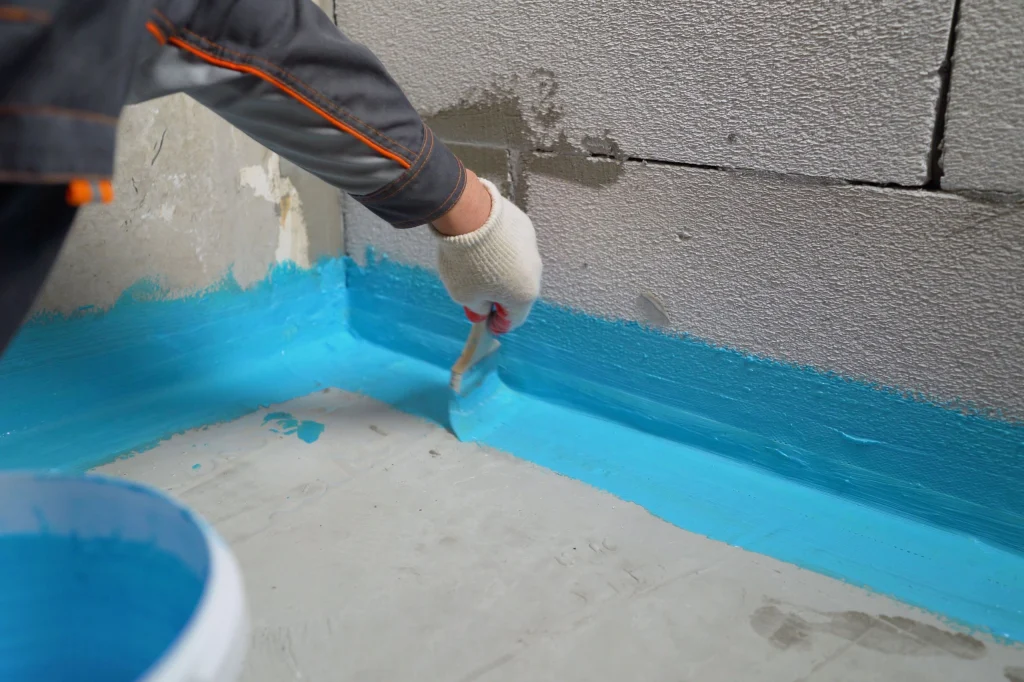
📋 Waterproofing Regulations in Queensland
Waterproofing in Queensland is a regulated trade under the Queensland Building and Construction Commission (QBCC). This means that only qualified and licensed individuals are legally permitted to carry out waterproofing work for residential and commercial properties.
Why Regulations Matter
Waterproofing failures are one of the most common and costly defects in Australian buildings. To mitigate risks, Queensland has specific rules to ensure waterproofing is completed safely, correctly, and up to code.
Classification of waterproof membranes
- Class I membranes: Resin (fiberglass)
systems, Water based Epoxies - Class II membranes: Acrylic
membranes, Bitumen based
Emulsions or Mastics, Torch-on
bitumen based - Class III membranes: Water or
Solvent based Polyurethane, Sheet
PVC, Sheet Rubber, EPDM
Relevant Standards:
- AS 3740:2021 – Waterproofing of domestic wet areas
- AS/NZS 4858-2004 – Wet area membranes
- AS 4654.1:2012 – Waterproofing membranes for external above-ground use – Materials
- AS 4654.2:2012 – Waterproofing membranes for external above-ground use – Design and installation
- National Construction Code (NCC) – Incorporates Australian Standards as part of building compliance
👷♂️ Who Can Waterproof in Queensland?
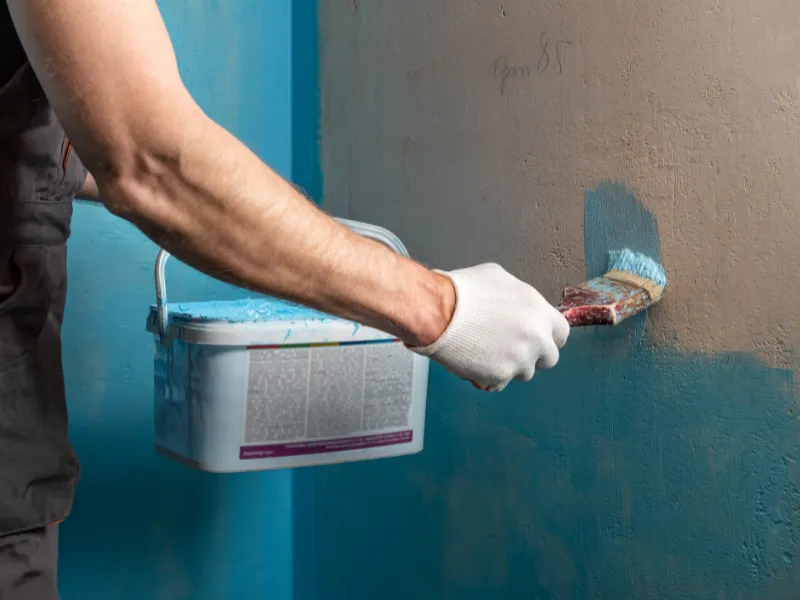
QBCC Licensing Requirements
To legally perform waterproofing in QLD, a contractor must hold one of the following QBCC licenses:
- Waterproofing Licence (Low Rise or Medium Rise)
- Tiling Licence (if waterproofing is a part of tiling scope)
To be eligible, the applicant must:
- Complete recognised waterproofing training (e.g. CPC31420 Certificate III in Construction Waterproofing)
- Have practical industry experience
- Pass a technical assessment (depending on license class)
Note: DIY waterproofing is not recommended and may void warranties or insurance claims if not done by a licensed professional.
When do you require to have a licence?
A QBCC waterproofing licence is required when:
- The work exceeds $3,300 (labour + materials)
- Waterproofing is part of a contract with tiling or bathroom renovation
- The job involves internal wet areas, external balconies, rooftops, or planter boxes
Even smaller jobs must follow the standards, even if they don’t require a license.
✅ Getting the Job Certified
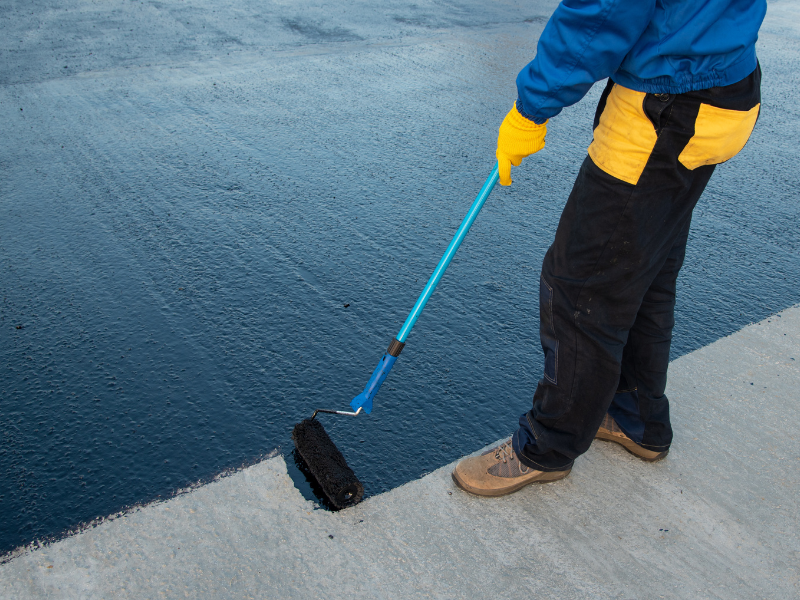
Licensed waterproofers must:
- Issue a Form 43 – Aspect Certificate (under QBCC Act)
- Follow product and installation guidelines strictly
- Provide documentation to homeowners for insurance and compliance
🚫 Risks of Non-Compliant Waterproofing
- Structural damage from water ingress
- Voided insurance or home warranty claims
- Fines for unlicensed work
- Costly repairs from improper installation
🔎 How to Check If Your Waterproofer is Licensed
Visit the QBCC License Search to confirm licensing status and avoid working with unqualified contractors.
📞 Darben Tiling: Your Certified Waterproofing Experts
At Darben Tiling, all waterproofing is completed by fully licensed and qualified professionals, ensuring your job meets QBCC and Australian Standards. We provide:
- Laticrete waterproofing certificate 3.
- QBCC – 15251338
- ABN – 84650825871
- Master Builders Queensland – 089226
- Professional prep and installation
- Expert service across the Sunshine Coast
Contact Us to book a consultation or learn more about compliance for your project.